Hannibal

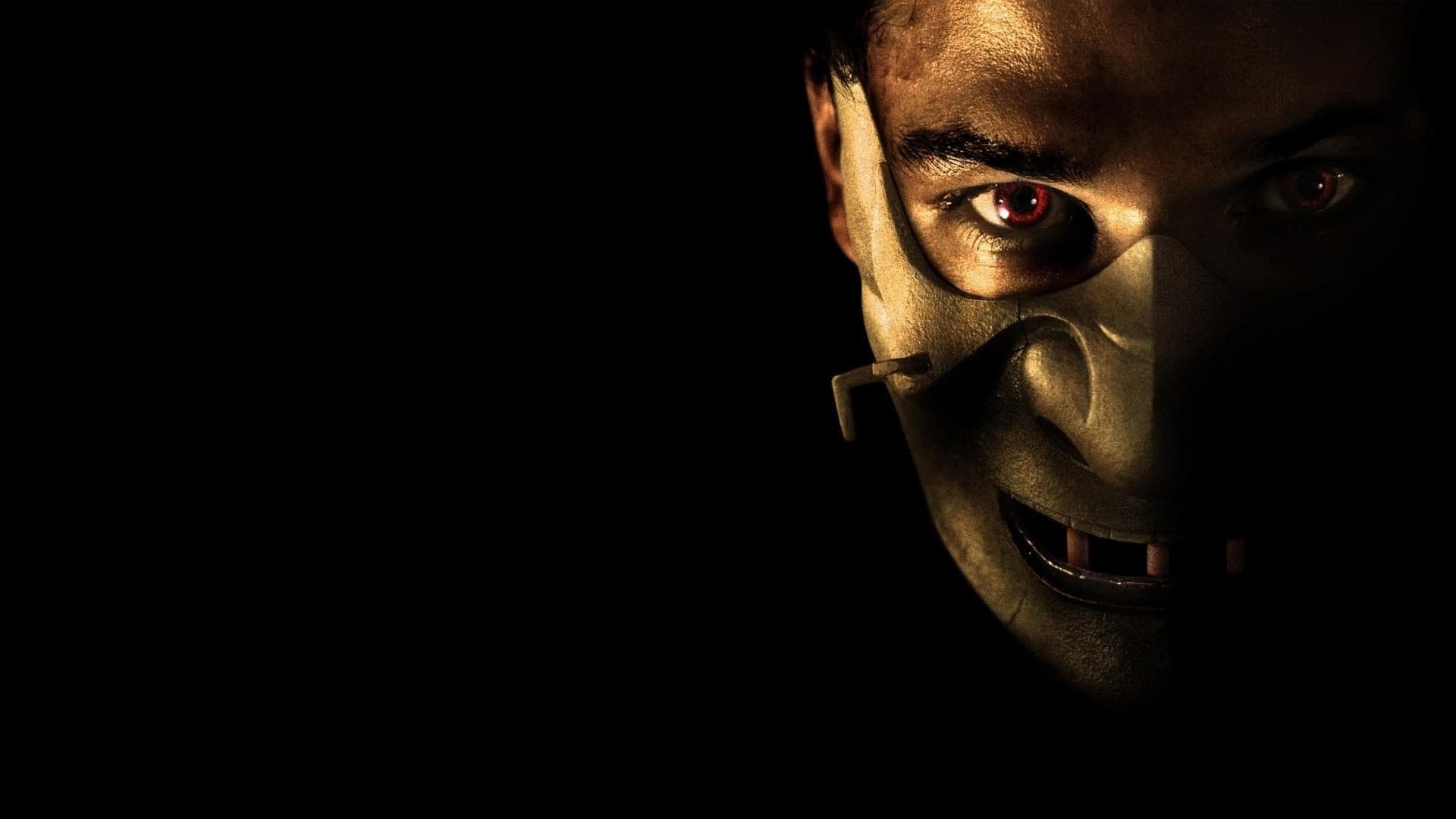
Though Hannibal is an abysmal failure of a film, I’m incredibly grateful that it exists if only as proof positive that Ridley Scott is fallible and therefore mortal. Much like Ready Player One, it humanizes one of my favourite directors and demonstrates that we don’t have to be defined by our failures. Which is good in Mr. Scott’s case, because it is, as the kids say these days, a whopper. (Unlike Vincent Vega who probably wouldn’t be inclined to use the same terminology, knowing his disdain for Burger King.) Hannibal is a direct sequel to the iconic The Silence of the Lambs, and while I didn’t expect it to reach the same heights as its predecessor, I also didn’t anticipate the depths to which it would plunge. Like all of the Hannibal Lector movies, this one was based on a book by Thomas Harris. I have yet to read any of the books in the Hannibal Lector series, but immediately after watching Hannibal, I felt compelled to look up an outline of the novel online, breaking one of my unwritten rules about indulging in spoilers for texts…


The Silence of the Lambs

There’s a good reason why The Silence of the Lambs is widely regarded as one of the best horror/thrillers of all time, and that’s because it is. It’s one of those rare movies that was able to capture that lighting in a bottle, that rare confluence of puzzle pieces that meshed together perfectly to create a singular vision that left an indelible mark on film history. Everything from the writing to the casting to the editing to the set and costume design is so on point it could be used by a vicious serial killer as a murder weapon. The Silence of the Lambs has become one of the most iconic and most-parodied films of all time to the point where even people who have never seen the movie will understand the reference “Hello, Clarice” or instantly recognize Hannibal Lector’s famous face restraints. Director Jonathan Demme demonstrates a mastery of the source material that doesn’t lean so far into its conceits to be self-indulgent but at the same time doesn’t shy away from the more fantastical and macabre elements of the story. The Silence of…

Red Dragon

If you were to tell me that there was a universe where not only did Brett Ratner and Ridley Scott direct entries in the same film franchise, but that Brett Ratner’s film was the better one, I would never have suspected for one minute that the universe you were talking about was the one I was currently living in. There are those who might think I’m being uncharitable to Mr. Ratner, to which I would reply by directing people to the filmographies of both Brett Ratner and Ridley Scott. There’s simply no comparison, with the curious exception of their respective entries into The Silence of the Lambs series. Red Dragon was the third entry in the series and the first of two prequels after Hannibal effectively killed off any possibility of moving forward with its characters in any way that made a lick of sense. The cinematic powers that be made the correct choice of going back to a simpler time when Hannibal Lector (Anthony Hopkins) was a psychopath locked in a cage who could serve as an asset to help profile and catch other serial killers and…

Hannibal Rising

I don’t think I’ll ever understand the urge to try and turn horror icons into badass antiheroes, but I believe I’ve pinpointed the mistake that serves as the catalyst for that sort of storytelling. Hannibal Rising is the second prequel to Jonathan Demme’s seminal The Silence of the Lambs and the fourth – and hopefully last – movie in that particular horror franchise. I had only ever seen The Silence of the Lambs and Red Dragon, so I figured that for my annual October horror movie marathon, I’d give the entire series a watch in the chronological order in which the events of the films took place rather than their release dates to watch the Grand Vision unfold. Like all of the movies featuring the iconic serial killer Hannibal “The Cannibal” Lector, Hannibal Rising was based on a book by Thomas Harris, though to what degree this movie – or any of the other Hannibal Lector movies – remained faithful to the books I haven’t much of a clue, as I have yet to read any of them. Harris seems to have carved out a financially lucrative literary niche for…

The Old Guard

The Old Guard is emblematic of all of the worst tendencies of Netflix original content. It’s not that it’s complete and utter garbage. At least if it were terrible, it would evoke some kind of emotional response. I would rather a movie made me either love it or hate it. But when a movie forces me into the emotional purgatory of apathy, that’s something I refuse to forgive. Like the vast majority of Netflix original movies and TV shows I’ve seen, The Old Guard is neither great nor terrible, but instead aggressively mediocre and eminently forgettable. Sorry, what was I talking about again?  Netflix’s biggest enemy seems to have been its overnight success as the giant of a media streaming industry that they essentially created. At first, their challenge was how to secure all the licencing and rights to hundreds of thousands of movies. To their credit, they never rested entirely on their laurels, and adapted their business model proactively in anticipation of market trends. Knowing that they couldn’t keep the entire pie to themselves forever, especially considering how lucrative that pie was,…

Everest

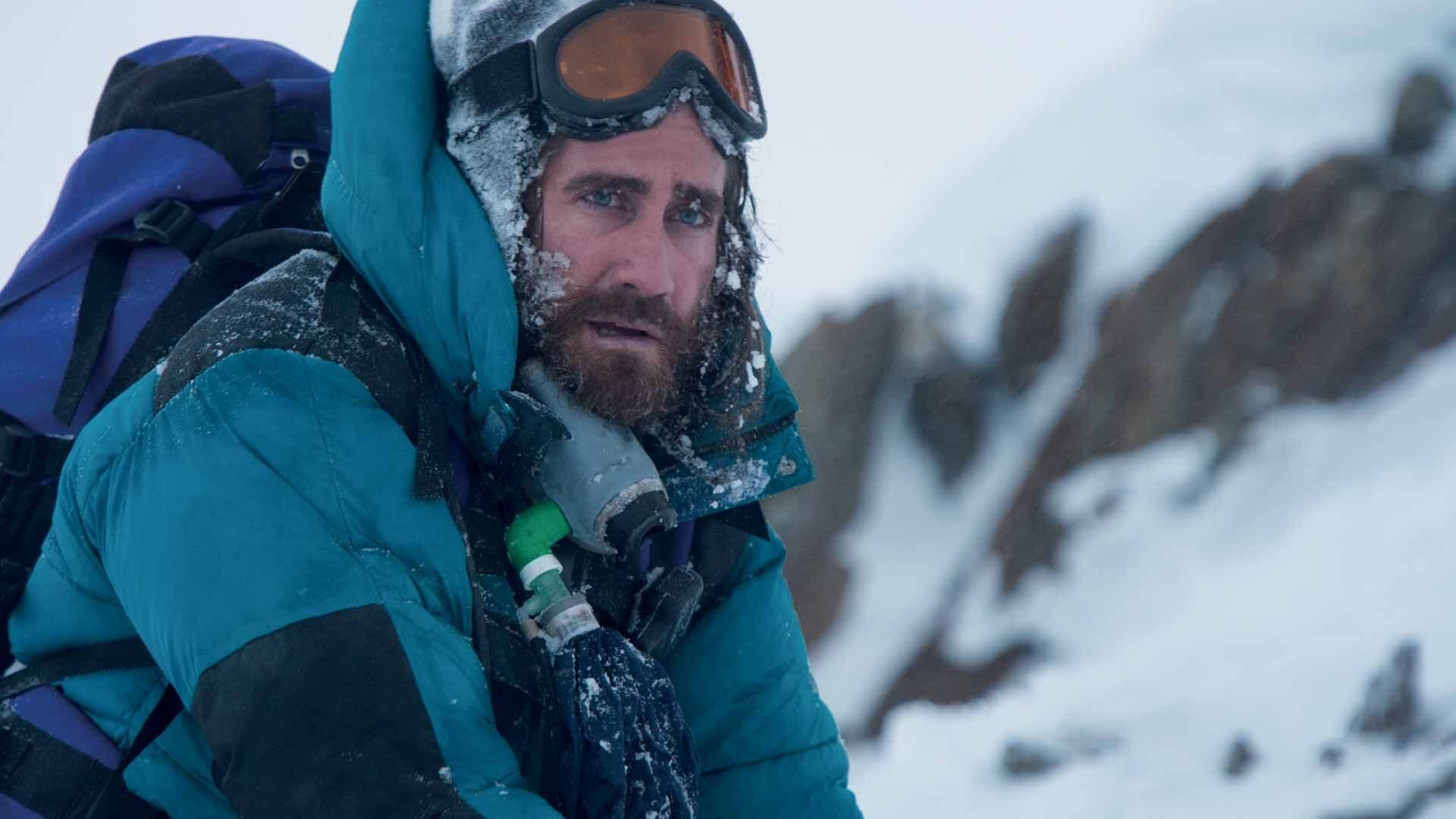
Everest wound up being an incredibly refreshing breath of cinematic fresh air I didn’t know I needed. After recently watching some pretty heavy films like Hereditary and Midsommar, Everest was exactly what I needed to clear my palate. It didn’t necessarily rise to the top of my all-time favourite movies, but there was something refreshingly earnest about its approach to the disaster movie genre. There were no explosions, natural disasters, evil corporations, or any human antagonists of any variety. Everest simply tells (or tells simply) the story of a disastrous expedition to the summit of the most famous mountain in the world, the highest point on earth at the top of Mount Everest. Up until things go completely sideways – which because this is based on a true story, the audience is expecting the other shoe to drop at some point – proceedings seem to be going quite swimmingly. Which tends to be the way things seem until they don’t, I suppose, and the movie does an excellent job at conveying this sense of normalcy. I hesitate to say Everest fosters a sense of complacency, because a huge part of conflict…

Predestination

If you’re a fan of time travel in film, there are certain movies that are required viewing; Predestination is one of those movies. Watching Predestination for the first time a couple years back, it was the cinematic equivalent of love at first sight. As a testament to how much I love this film, this will be one of the rare articles I write that is completely spoiler free, because this is one of those movies that I hope people are able to experience as clean as possible the first time. It’s not that I think that spoilers “ruin” movies per se, but some movies definitely benefit more from going in with fresh eyes, and Predestination definitely falls into this category. I knew that this was going to be one of those go-to movies when I was in the mood for a film about time travel. Based on a short story from 1959 called “All You Zombies” by Robert A. Heinlein, Predestination is a perfectly constructed, tightly-paced movie that has one of the best implementations of time travel that has ever been put to film. Time travel is a hard thing to get…

Battle Royale

Battle Royale is perhaps the best film about teenagers killing each other for sport ever made. Granted, that’s a pretty small pool of movies. Or at least, I hope it is. Normally, I would do a Google search for this kind of thing, but with my browser history the way it is, searching for “movies about children killing each other” might just be the straw that breaks the proverbial camel’s back and earns me an impromptu visit from the FBI in the middle of the night. Originally released in 2000, it would take another twelve years for Battle Royale to be released in North America, likely owing more to discussions over film rights than the more romantic notion of the film being banned because it was so provocative and powerful. Battle Royale is both provocative and powerful, but it definitely did not unite world governments to spend any amount of time and effort to actively ban its distribution en masse. This decision is much to their own detriment, however, as Battle Royale is also a truly subversive film, calling into question the shifting nature of the relationship societies have with…

Outbreak

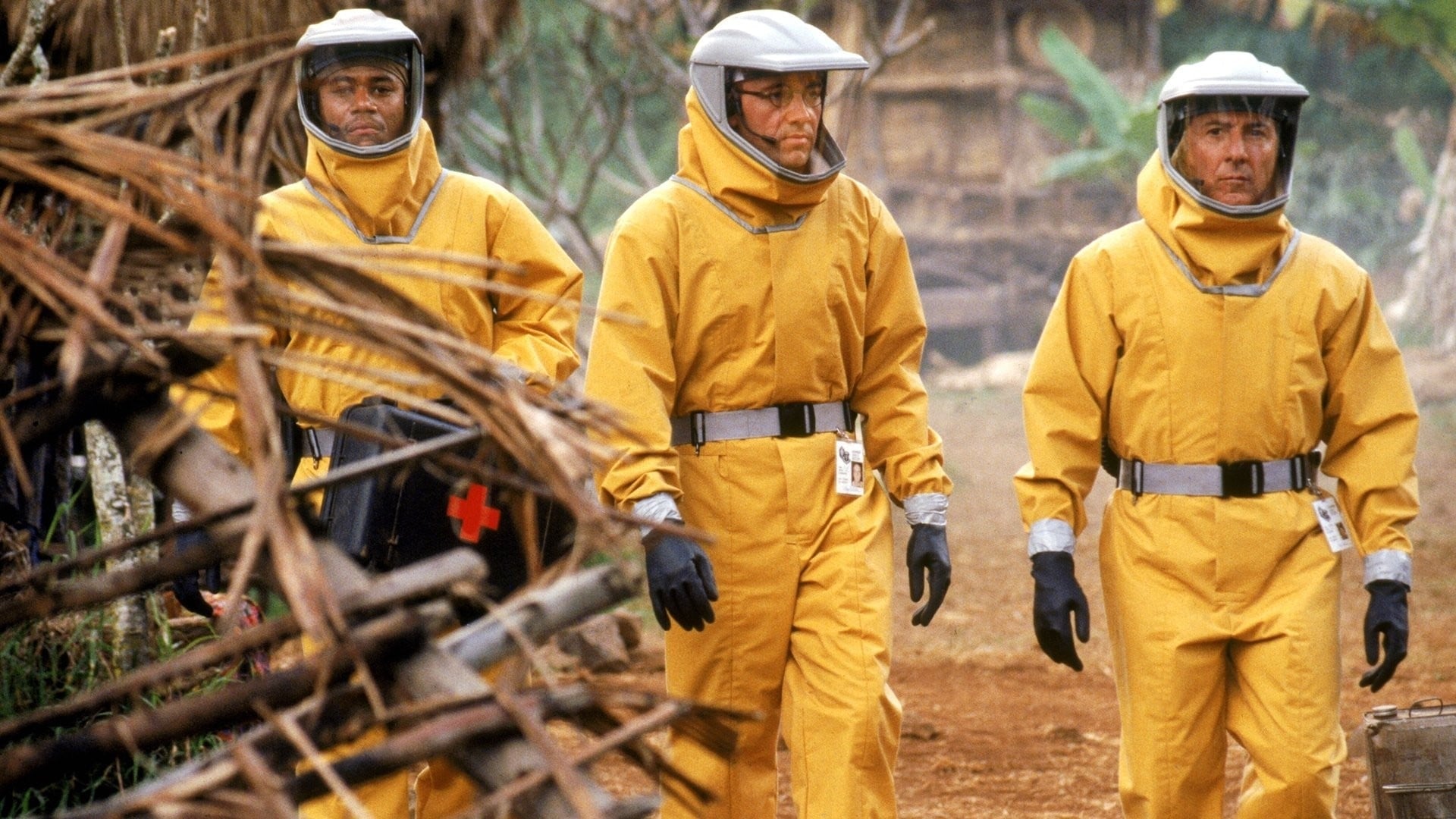
{field 2} | dir: {field 3} | {field 4}m In light of the ongoing global pandemic, the likes of which the (post)modern world has never seen, I, like many other viewers, have also begun to watch movies and TV shows with similar subject matter. There are a couple of titles that tend to top most lists of pandemic-relevant films, and since I’d just happened to watch Contagion a short while before all of this craziness started in earnest, I found myself stuck with sitting down to watch Outbreak, a staple of schlocky ’90s blockbusters. Despite living through those turbulent times and thriving on a steady diet of cinema from that decade, I had somehow never actually watched this sucker before. It did, of course, garner a certain reputation, and I had often seen compared with Contagion, and not favourably. Unfortunately, that reputation and those comparisons turned out to be true. Outbreak is bloated and unrefined in all of the ways that Contagion is focused and polished. If Contagion is the valedictorian turned brain surgeon of the family, then Outbreak is the sibling still sleeping on their parents’ couch waiting for his career as a YouTube star…

Resolution

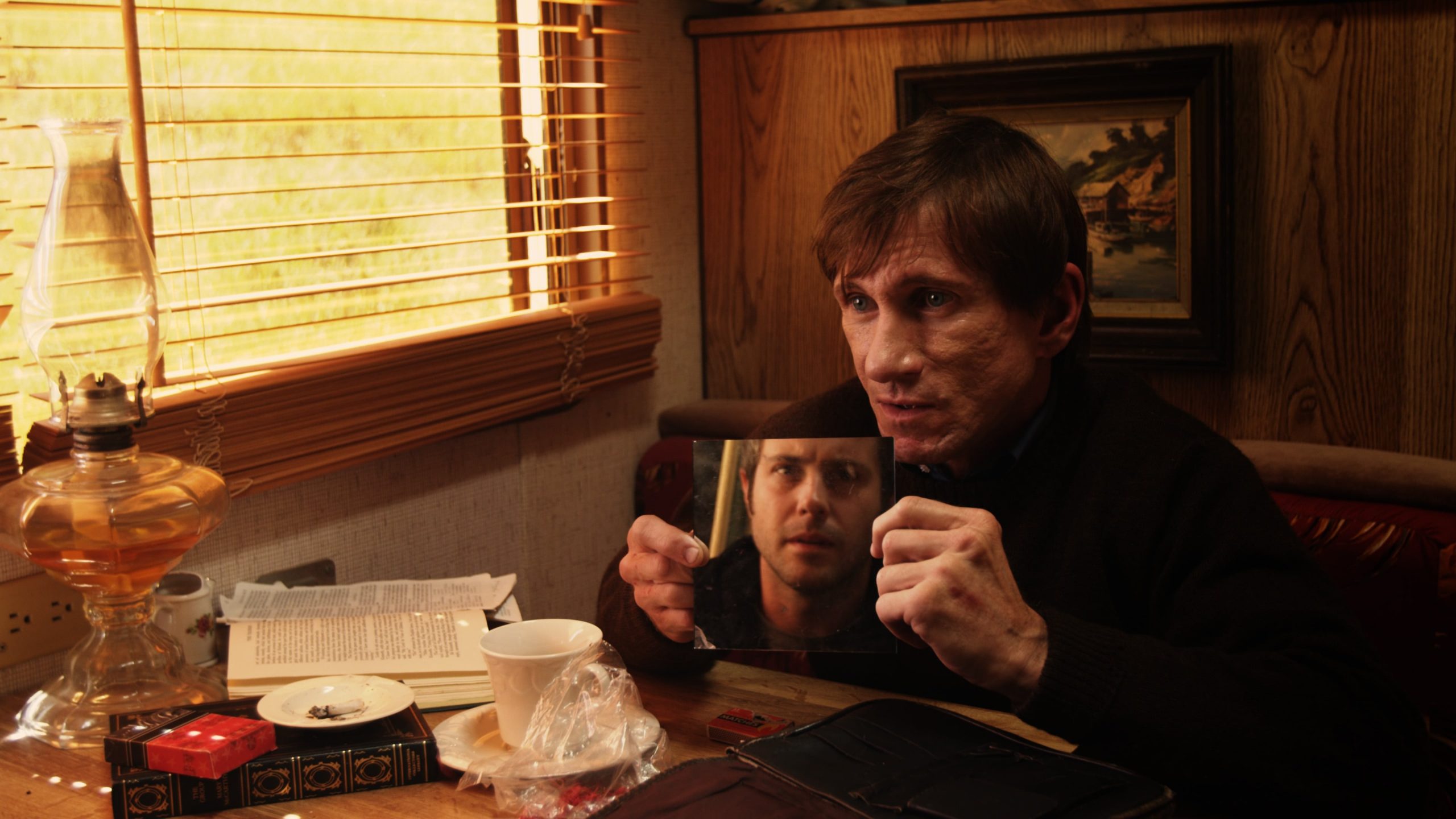
If I accomplish one thing before I die, I’d be happy just having spread the good word about the work of filmmakers Aaron Moorhead and Justin Benson, like a UFO cult member spreading the good news of the end of days. I had never heard of Resolution until recently, but what I did hear was, well, not a lot. I went into this film knowing hardly anything about it, and I have to say, I was absolutely blown away. Even though I was watching Resolution some eight years after the fact, I felt like I was back on the cutting edge of visionary filmmaking instead of caught up in the digestive tract of the the bloated mutant that is the Hollywood blockbuster; I was once again surfing the wave instead of treading water in a constantly rising tide. As many before me have pointed out, there are some obvious similarities between Resolution and the more prolific Cabin in the Woods which came out the year before. Without getting too far into spoiler territory, both films deal with supernatural entities who can seemingly only be appeased by ritualistic, recurring human narratives. Unlike Cabin…

Close